
For many children, sedation dentistry can make dental visits significantly more comfortable and less stressful. Whether a child is receiving treatment for extensive dental work, experiences severe anxiety, or has difficulty sitting still for procedures, sedation can help create a positive experience while allowing necessary care to be completed safely and efficiently.
While sedation dentistry is considered safe when administered by trained professionals, parents often have questions about what to expect afterward. Understanding common recovery experiences and knowing which symptoms are normal can help families feel prepared and confident. At Great Grins, we take the time to educate parents about sedation dentistry side effects in children, ensuring that every family knows how to support their child’s recovery.
Why Sedation Dentistry Is Used for Children
Children have different emotional and developmental needs than adults. Some young patients may feel nervous about dental treatment, while others may require longer procedures that make it difficult to remain comfortable throughout the appointment.
Sedation dentistry helps reduce anxiety, improve cooperation, and create a more relaxed experience. Depending on the child’s needs, a dentist may recommend nitrous oxide, oral sedation, or deeper forms of sedation. Each option has different recovery expectations, and understanding those differences is an important part of post-treatment care.
Common Side Effects After Sedation Dentistry
Most side effects associated with sedation are temporary and resolve on their own within a short period. The type of sedation used often influences how noticeable these effects are and how long they last.
Drowsiness is one of the most common side effects. Many children feel sleepy after their appointment and may want to rest for several hours. This is especially common following oral sedation or deeper sedation methods. Parents should plan for a quiet day and allow their child to rest as needed.
Some children may experience mild nausea. This can occur as the body processes sedation medications and is usually temporary. Offering small amounts of water and introducing soft foods gradually can help minimize discomfort.
Irritability is another possible side effect. Children recovering from sedation may seem emotional, confused, or more sensitive than usual for a short period. This reaction often resolves as the medication continues to wear off.
Dry mouth can also occur, particularly after certain sedation medications. Encouraging hydration and following any aftercare instructions provided by the dental team can help alleviate this symptom.
Although these side effects are generally mild, they can vary from child to child depending on age, overall health, and the type of sedation used.
How Recovery Times Differ by Sedation Type
One of the most common questions parents ask is how long recovery will take. The answer depends largely on the sedation method used during treatment.
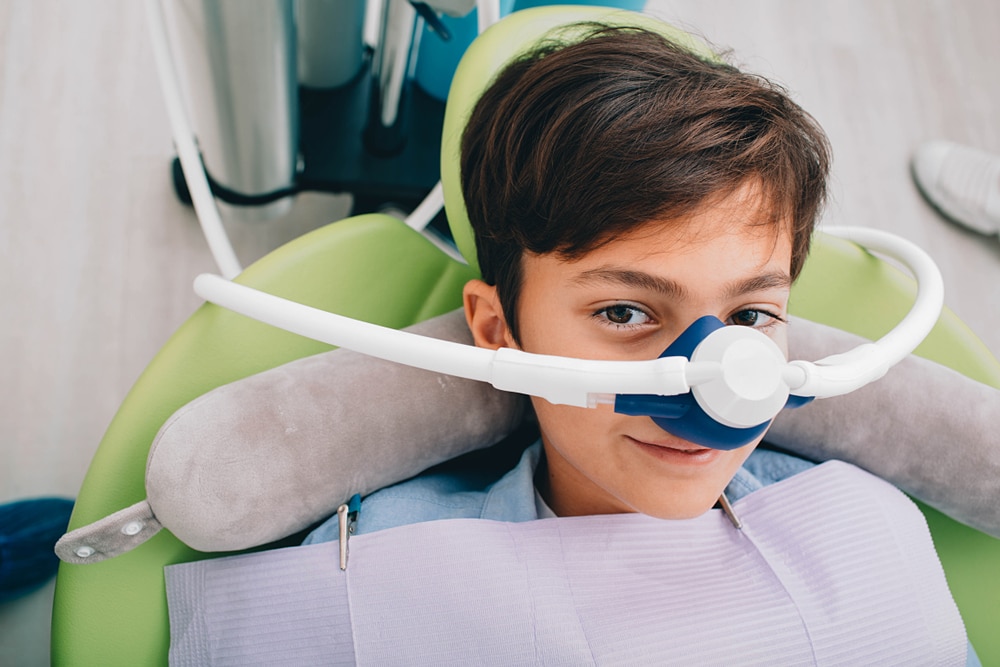
Nitrous oxide, often called laughing gas, typically wears off very quickly. Most children recover within minutes after the mask is removed and can usually return to normal activities shortly afterward. Because of its rapid recovery time, nitrous oxide is often preferred for children with mild anxiety or shorter procedures.
Oral sedation generally requires a longer recovery period. Children may remain sleepy or less coordinated for several hours after treatment. Some may nap once they get home and gradually return to their usual energy level later in the day.
Deeper sedation methods can require the longest recovery times. Children may feel groggy for the remainder of the day and should be monitored closely by a responsible adult. In some cases, mild fatigue may continue into the following day.
At Great Grins, parents receive detailed recovery instructions based on the specific sedation method used, helping ensure a smooth and comfortable transition home.
Safety Precautions After a Sedation Appointment
Following proper aftercare instructions is essential for a safe recovery. Because sedation can temporarily affect coordination and judgment, children should avoid activities that require balance, concentration, or physical exertion until they have fully recovered.
Rest is often the best medicine after sedation. Parents should encourage quiet activities and avoid scheduling sports practices, playground visits, or other strenuous activities on the day of treatment.
Hydration is also important. Offering water regularly can help combat dry mouth and support the body’s recovery process. When it comes to meals, starting with soft foods and gradually returning to a normal diet may help prevent nausea or discomfort.
Children should remain under adult supervision until the effects of sedation have completely worn off. Even if a child appears alert, lingering drowsiness can sometimes return unexpectedly during the recovery period.
Families seeking sedation dentistry in Oregon City services should always follow the individualized instructions provided by their dental team, as recommendations may vary depending on the procedure and sedation method used.
When Should Parents Contact the Dentist?
Although most children recover without complications, parents should know when it is appropriate to contact the dental office. Persistent vomiting, excessive sleepiness that seems unusual, difficulty waking the child, breathing concerns, or symptoms that worsen instead of improve should be reported immediately.
Parents should also reach out if nausea continues beyond the expected recovery period or if the child develops a fever, significant swelling, or unusual discomfort. While these situations are uncommon, prompt communication allows the dental team to provide guidance and determine whether additional evaluation is needed.
Trusting your instincts as a parent is important. If something seems unusual or concerning, it is always appropriate to call the dentist and ask questions.
Understanding Sedation Helps Parents Feel Prepared
Sedation dentistry can be an excellent option for helping children receive necessary dental care in a comfortable and positive environment. While temporary side effects such as drowsiness, nausea, irritability, and dry mouth can occur, they are generally mild and short-lived.
At Great Grins, patient safety and comfort are our highest priorities. We carefully evaluate each child, explain sedation options to parents, and provide thorough recovery instructions to support a successful experience from start to finish.
By understanding the potential side effects, following aftercare recommendations, and knowing when to seek guidance, parents can feel confident helping their child recover comfortably after sedation dentistry treatment.