The transition from baby teeth to permanent adult teeth is a pivotal stage in a child’s oral development. It involves more than just losing one set of teeth and gaining another. This period affects the alignment of teeth, jaw growth, and even speech development. Parents who understand what is typical, know what to watch for, and consult a professional when necessary can support a smooth and healthy dental transition. At Great Grins, we help families navigate every stage of dental growth to ensure children’s teeth develop properly and comfortably.
Understanding the Typical Timeline for Tooth Eruption
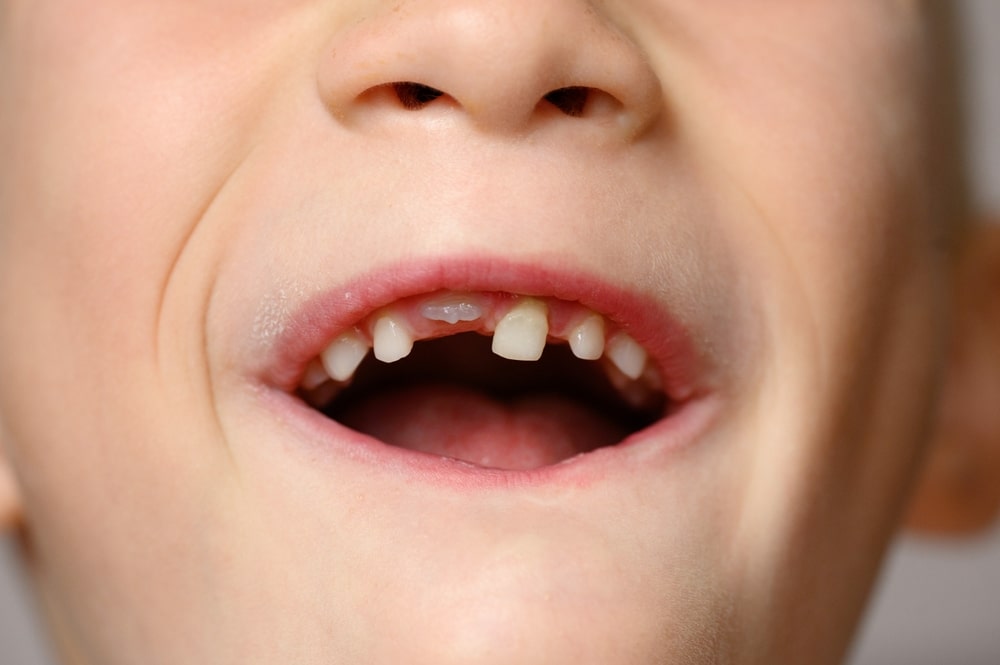
Children generally begin losing their primary teeth around age six, with the lower central incisors usually coming out first, followed by the upper central incisors. Permanent molars typically appear around the same time, creating new chewing surfaces in the back of the mouth. Most children complete the transition to permanent teeth by age twelve or thirteen, though wisdom teeth usually come in later. While there is a natural range in the timing of tooth eruption, keeping track of the order and pace of tooth loss can help parents identify potential concerns early.
Signs That Require Attention
Although some variation in tooth eruption is normal, certain signs should prompt a professional evaluation. Crowding or misalignment can occur when adult teeth do not have enough space to emerge properly. Teeth that overlap, emerge at unusual angles, or appear uneven may indicate that monitoring or intervention is needed. The timing of tooth loss is equally important. Losing baby teeth too early can cause surrounding teeth to drift, while late loss may delay the emergence of permanent teeth and affect overall alignment. Parents should also pay attention to gaps between teeth. Small gaps are typically normal and help accommodate adult teeth, but unusually large or irregular spacing may signal a problem. Bite issues, such as overbites, underbites, or crossbites, can also appear as permanent teeth emerge, and early detection allows pediatric dentists to guide jaw development and refer families to specialists if necessary.
The Role of a Children’s Dentist
Regular visits with a children’s dentist in Oregon City are crucial for monitoring the baby teeth to adult teeth transition. Pediatric dentists can use X-rays to assess emerging adult teeth beneath the gums, evaluate spacing and alignment, and track jaw growth. They can identify decay or infections in baby teeth that may impact permanent teeth and provide guidance on interventions when necessary. These professional evaluations offer parents reassurance and an opportunity to address issues before they become more serious, ensuring that dental development stays on track.
Comfort During Teething and Tooth Eruption
Children may experience mild soreness or discomfort as baby teeth loosen and permanent teeth begin to appear. Parents can help by gently brushing loose and emerging teeth with a soft toothbrush, offering chilled teething rings or washcloths for relief, and encouraging safe chewing to soothe tender gums. Maintaining consistent oral hygiene is essential during this stage to prevent cavities, particularly around teeth that are just breaking through the gums. While discomfort is normal, persistent pain, swelling, or bleeding warrants a check-up with a pediatric dentist.
Monitoring Oral Development at Home
Parents play a critical role in observing oral development. Keeping track of when teeth are lost and when permanent teeth emerge helps detect irregularities. Visual monitoring of alignment can highlight early crowding or bite issues. Maintaining routine dental visits ensures professional guidance throughout this period, allowing the dentist to track progress and provide recommendations tailored to the child. Reinforcing proper oral habits at home, including brushing twice daily, flossing as teeth come in, and maintaining a balanced diet, complements professional care and supports healthy dental growth.
Preparing for a Healthy Permanent Smile
The transition from baby teeth to adult teeth impacts more than appearance; it also affects chewing, speech, and overall oral health. By observing changes at home, maintaining regular dental check-ups, and collaborating with a children’s dentist in Oregon City, parents can guide their children through this stage with confidence. Early monitoring allows for timely advice on brushing routines, dietary habits, and referrals to specialists if necessary.
At Great Grins, our team educates families on what is normal during tooth transition, helps parents recognize when intervention is necessary, and provides tips to ensure children feel comfortable and supported. Prioritizing preventative care and professional guidance during this stage sets the foundation for strong, healthy, and confident smiles that last a lifetime.