Dental visits are an important part of maintaining a child’s oral health, but for some children, anxiety, fear, or complex treatment needs can make appointments challenging. Fortunately, sedation dentistry offers several options to help children feel more comfortable and relaxed during dental procedures. Understanding the different types of sedation dentistry for kids can help parents feel informed and confident when discussing treatment recommendations with their child’s dentist.
At Great Grins, we believe that every child deserves a positive dental experience. When sedation is recommended, our team takes the time to explain the available options and determine the safest, most effective approach for each child’s unique needs.
Why Sedation Dentistry May Be Recommended
Children experience dental anxiety for many different reasons. Some may be nervous about unfamiliar sights and sounds, while others may have had previous dental experiences that left them feeling fearful. In some situations, children may require lengthy or complex treatments that make it difficult to remain comfortable throughout the procedure.
Sedation dentistry helps reduce anxiety, increase cooperation, and improve the overall experience for both children and parents. Dentists carefully evaluate factors such as the child’s age, medical history, treatment needs, and anxiety level before recommending a sedation option.
Understanding how each type of sedation works can help families better prepare for treatment and recovery.
Inhalation Sedation: Nitrous Oxide
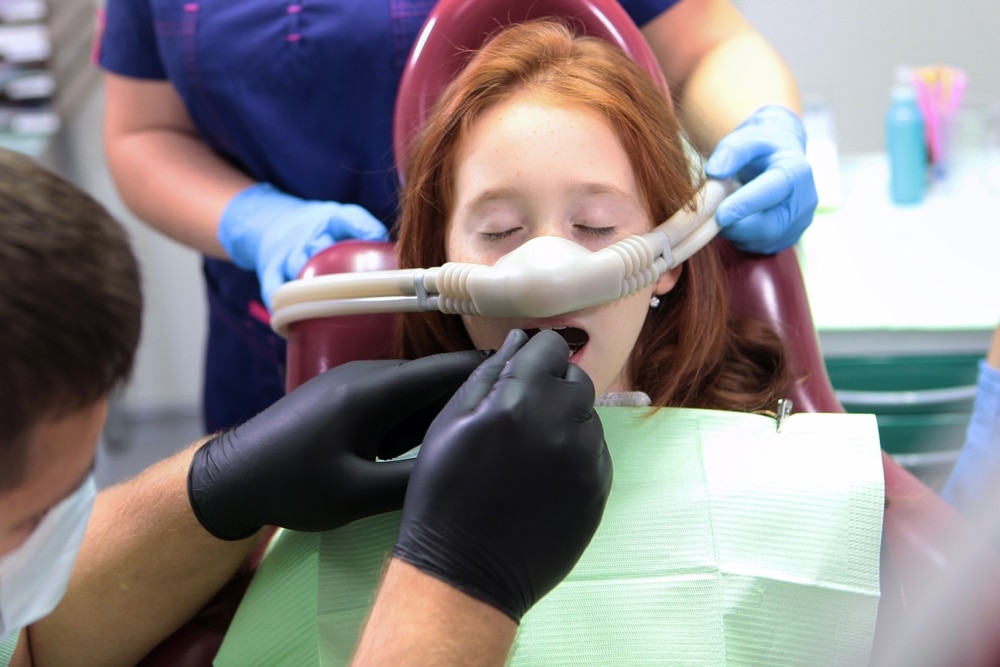
Nitrous oxide, commonly known as laughing gas, is one of the most frequently used forms of pediatric sedation. It is administered through a small mask placed over the child’s nose, allowing them to breathe in a mixture of nitrous oxide and oxygen throughout the procedure.
One of the biggest advantages of nitrous oxide is its quick onset. Children typically begin feeling relaxed within minutes of inhaling the gas. Although they remain awake and responsive, they often feel calmer and less aware of dental anxiety.
Recovery is also very fast. Once the mask is removed, the effects wear off quickly, allowing most children to return to their normal activities shortly after the appointment.
Nitrous oxide is often recommended for children with mild to moderate anxiety or for shorter procedures. However, it may not provide enough relaxation for children with severe dental fears or those undergoing extensive treatment.
At Great Grins, nitrous oxide is frequently used to help children feel more comfortable during routine and restorative dental procedures.
Oral Sedation: A Deeper Level of Relaxation
Oral sedation involves administering medication by mouth before the dental appointment. Depending on the medication and dosage, children may feel drowsy, relaxed, and less anxious during treatment.
Unlike nitrous oxide, oral sedation typically takes longer to begin working. Parents are usually given specific instructions about when the medication should be taken before arriving at the dental office.
Children receiving oral sedation generally remain awake but may be sleepy and less aware of their surroundings. Because the sedation level is deeper than nitrous oxide, it can be beneficial for children who experience significant anxiety or require longer treatment sessions.
Recovery from oral sedation takes longer than inhalation sedation. Some children may feel tired or groggy for several hours after the appointment and should be monitored closely at home.
Oral sedation offers a convenient option for many patients, but its effects can vary from child to child. Dentists carefully evaluate whether this approach is appropriate based on the child’s health history and treatment needs.
IV Sedation: Maximum Comfort for Complex Procedures
IV sedation provides a deeper level of relaxation than either oral sedation or nitrous oxide. The medication is administered directly into the bloodstream through a small intravenous line, allowing the dental team to closely control and adjust sedation levels throughout treatment.
Because the medication enters the bloodstream immediately, IV sedation works very quickly. Many children become deeply relaxed and may remember very little about the procedure afterward.
IV sedation is often recommended for children with severe dental anxiety, special healthcare needs, extensive treatment plans, or surgical procedures. It allows dentists to complete treatment efficiently while ensuring the child’s comfort.
Recovery from IV sedation typically takes longer than other forms of sedation. Children will need close supervision after the procedure and may feel sleepy for the remainder of the day.
Safety is always a top priority when IV sedation is used. Special monitoring equipment tracks breathing, heart rate, oxygen levels, and blood pressure throughout treatment to ensure the child’s well-being.
Comparing Onset, Depth, and Recovery
One of the key differences between the various types of sedation dentistry for kids is how quickly they work and how long recovery takes.
Nitrous oxide provides the fastest recovery and is ideal for children who need mild relaxation. Oral sedation offers a deeper level of comfort but requires more recovery time. IV sedation provides the deepest level of sedation among these options and is typically reserved for more complex cases or significant anxiety.
The appropriate choice depends on the child’s individual needs rather than a one-size-fits-all approach.
Factors Dentists Consider When Choosing Sedation
Several factors influence which sedation option is recommended. A child’s anxiety level is often one of the primary considerations. Mild nervousness may be managed successfully with nitrous oxide, while severe anxiety may require oral or IV sedation.
The complexity and length of the dental procedure also play a role. Longer or more involved treatments often benefit from deeper levels of sedation to ensure comfort and cooperation.
Medical history is equally important. Dentists carefully review medications, allergies, existing health conditions, and previous experiences with sedation before making recommendations.
Families seeking sedation dentistry in Portland Oregon services can feel confident knowing that these decisions are made with careful attention to safety and individualized care.
Helping Your Child Have a Positive Dental Experience
Sedation dentistry can be a valuable tool for helping children receive the dental care they need without unnecessary stress or fear. Whether nitrous oxide, oral sedation, or IV sedation is recommended, the goal remains the same: creating a safe, comfortable experience that supports long-term oral health.
At Great Grins, we work closely with families to explain sedation options, answer questions, and ensure every child receives personalized care. By understanding the differences between sedation methods, parents can feel more prepared and confident when making decisions about their child’s dental treatment.