Oral surgery can be necessary at any stage of life, but the approach for children is very different from that used for adults. From anatomy and development to emotional needs and communication, pediatric care requires specialized techniques designed specifically for growing patients. Understanding the differences between pediatric vs adult oral surgery helps parents feel confident when their child needs treatment and ensures they know what to expect throughout the process.
At Great Grins, we focus on providing safe, gentle, and effective care tailored to children, making oral surgery a positive and manageable experience for both kids and parents.
Differences in Anatomy and Development
One of the most important distinctions between pediatric and adult oral surgery is the anatomy of the patient. Children have smaller mouths, developing jawbones, and teeth that are still erupting or transitioning from baby to permanent stages. These factors require careful planning to avoid disrupting growth and to protect underlying permanent teeth.
In contrast, adult patients have fully developed jaws and stable tooth structures, which allows for more standardized surgical approaches. Pediatric oral surgeons must consider how each procedure will affect long-term development, ensuring that the child’s oral structures continue to grow properly after treatment. This level of attention to growth and development is a key aspect of pediatric care.
Behavior Management Techniques for Children
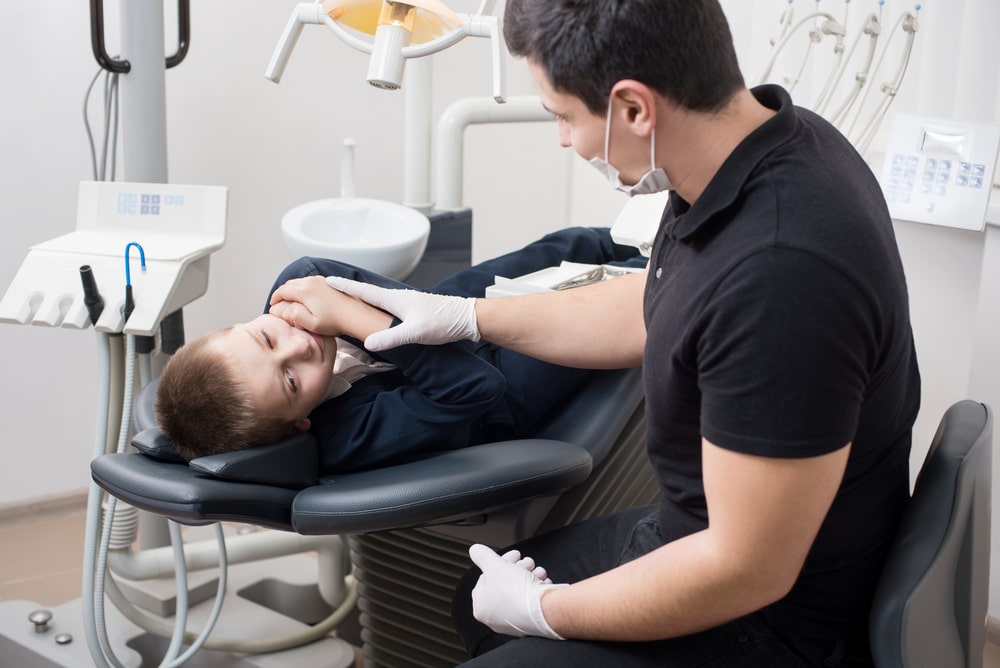
Children often experience anxiety or fear when facing dental procedures, especially something as involved as oral surgery. Pediatric specialists use behavior management techniques designed to help children feel calm, safe, and cooperative. These techniques include clear, simple explanations, gradual introductions to tools and procedures, and positive reinforcement throughout the visit.
Unlike adults, who can typically understand and tolerate procedures with minimal guidance, children benefit from a supportive and engaging approach that builds trust. At Great Grins, we create a welcoming environment where children feel comfortable and supported, helping reduce anxiety and improve the overall experience.
Child-Friendly Sedation and Pain Control
Sedation and pain management are also tailored specifically for pediatric patients. Children require carefully adjusted dosages and methods that prioritize both safety and comfort. Options such as nitrous oxide (laughing gas) and oral sedation are commonly used to help children relax during procedures, while still allowing them to remain responsive.
For more complex cases, additional sedation methods may be recommended, always under strict monitoring and safety protocols. Pediatric teams are specially trained to manage sedation in children, ensuring that vital signs are closely observed and that the child remains comfortable throughout the procedure. This differs from adult care, where sedation options and dosages are based on fully developed bodies and different tolerance levels.
Communication Style and Parental Involvement
Communication plays a central role in pediatric oral surgery. Dentists and surgeons must communicate not only with the child but also with the parents, who are actively involved in decision-making. Explanations are tailored to be age-appropriate for the child while providing detailed information to parents about procedures, risks, and aftercare.
Parental involvement is essential in pediatric care. Parents help prepare the child for the procedure, provide comfort during recovery, and ensure that post-operative instructions are followed at home. This collaborative approach is less prominent in adult oral surgery, where patients typically manage their own care independently.
At Great Grins, we prioritize open communication, ensuring that both children and parents feel informed and confident every step of the way.
A Focus on Long-Term Development
Another key difference between pediatric and adult oral surgery is the emphasis on long-term outcomes. Because children are still growing, every procedure must be planned with future development in mind. This includes preserving space for permanent teeth, supporting proper jaw alignment, and preventing complications that could affect oral health later in life.
Adult oral surgery, while still focused on outcomes, does not typically involve the same level of consideration for growth and development. Pediatric care requires a forward-thinking approach that balances immediate treatment needs with long-term oral health goals.
Partnering With Great Grins for Pediatric Oral Surgery
Families seeking pediatric oral surgery Oregon City services can rely on Great Grins for specialized, child-focused care. Our team understands the unique needs of pediatric patients and combines advanced techniques with a gentle approach to ensure safe and effective treatment.
From initial consultation to post-operative care, we work closely with families to create a positive experience that supports both immediate recovery and long-term oral health. By focusing on comfort, communication, and development, we help children receive the care they need while building trust and confidence in dental visits.
Supporting a Positive Surgical Experience
Understanding the differences between pediatric vs adult oral surgery allows parents to feel more prepared and confident when their child needs treatment. With the right approach, oral surgery can be a smooth and stress-free experience that protects a child’s oral health and supports their development.
At Great Grins, our goal is to provide compassionate, expert care that meets the unique needs of every child. By combining specialized techniques, child-friendly communication, and a focus on long-term outcomes, we ensure that children receive the highest standard of care in a supportive and reassuring environment.