Advancements in pediatric dentistry have transformed the way oral surgery is performed for children. Modern techniques now allow many procedures to be completed with smaller incisions, less discomfort, and faster recovery times than traditional surgical methods. These improvements are especially important for children, whose developing mouths and emotional comfort require a gentle, thoughtful approach.
At Great Grins, we prioritize child-focused care by using advanced approaches that support comfort, precision, and long-term oral health. Understanding the advantages of minimally invasive pediatric oral surgery can help parents feel more confident when their child needs treatment.
What Is Minimally Invasive Pediatric Oral Surgery?
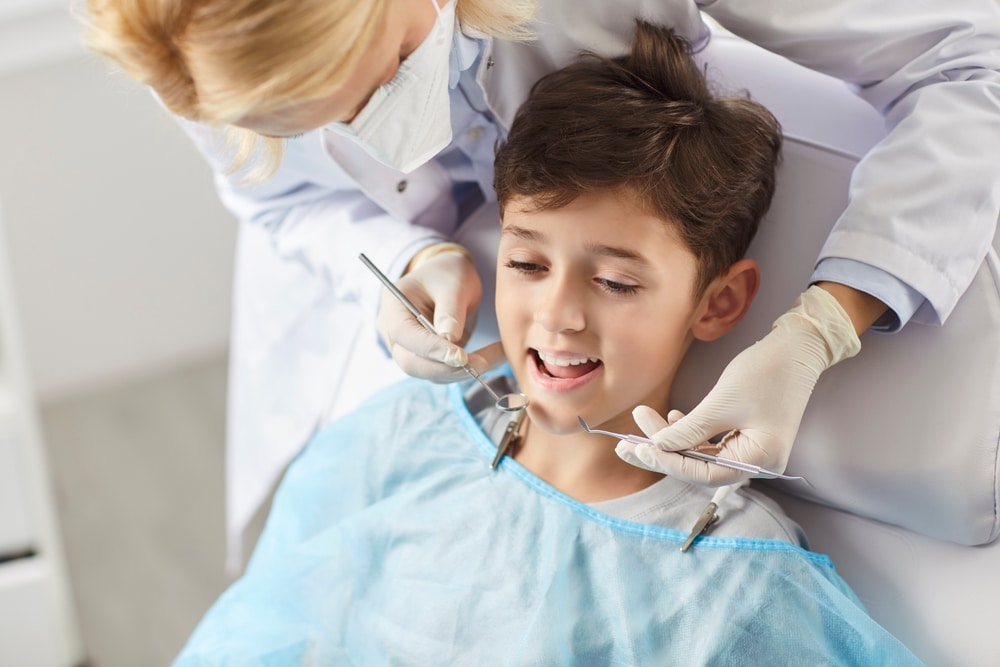
Minimally invasive pediatric oral surgery refers to techniques designed to reduce trauma to the mouth and surrounding tissues during dental procedures. Rather than relying on large incisions or extensive tissue manipulation, these approaches focus on precision and preservation.
Examples of minimally invasive methods include laser dentistry, micro-incisions, and guided surgical technology. Laser dentistry allows dentists to treat soft tissues with exceptional accuracy while minimizing bleeding and swelling. Micro-incision techniques use very small openings to access treatment areas, helping reduce tissue damage and discomfort. Guided surgery uses advanced imaging and digital planning tools to improve accuracy during procedures and protect developing teeth and jaw structures.
These techniques are particularly valuable in pediatric dentistry because children’s mouths are still growing and developing. Preserving healthy tissue and minimizing disruption can support better healing and long-term outcomes.
Reduced Pain and Improved Comfort for Children
One of the biggest benefits of minimally invasive techniques is the reduction in pain and discomfort following treatment. Because these procedures involve smaller incisions and less trauma to surrounding tissues, children often experience less soreness after surgery compared to traditional methods.
This gentler approach can make a significant difference in how children perceive dental care. Fear of pain is one of the leading causes of dental anxiety in children, and minimizing discomfort helps create a more positive experience. Many minimally invasive procedures also reduce bleeding and swelling, which contributes to a smoother and more comfortable recovery process.
At Great Grins, we understand how important emotional comfort is for children undergoing dental treatment. By using techniques that reduce discomfort and promote healing, we help children feel more relaxed and supported throughout the experience.
Faster Healing and Less Recovery Time
Children who undergo minimally invasive procedures often recover more quickly than those treated with traditional surgical methods. Smaller treatment areas mean the body has less tissue to repair, allowing healing to progress faster and more comfortably.
This quicker recovery can be especially helpful for active children who want to return to school, sports, and normal activities as soon as possible. Reduced swelling and discomfort also make it easier for children to eat, speak, and maintain oral hygiene during recovery.
Parents appreciate that minimally invasive techniques often require fewer restrictions after treatment and may lower the need for stronger pain medications. These advantages help reduce stress for both children and caregivers during the healing process.
Common Pediatric Procedures Using Minimally Invasive Techniques
Many pediatric dental procedures can now be performed using minimally invasive methods. Frenectomies are a common example, especially when laser dentistry is used to treat tongue ties or lip ties. Lasers allow for precise tissue removal with minimal bleeding and faster healing.
Tooth extractions may also be completed with micro-incision techniques and advanced imaging guidance, reducing trauma to surrounding gums and bone. Exposure procedures for impacted teeth and certain soft tissue treatments can similarly benefit from minimally invasive approaches.
Even some restorative and preventative treatments use minimally invasive philosophies by preserving as much healthy tooth structure as possible. The goal is always to provide effective treatment while minimizing stress on developing oral tissues.
How Technology Improves Accuracy and Protects Development
Technology plays a major role in the success of minimally invasive pediatric oral surgery. Digital imaging and guided surgical planning help dentists visualize the child’s oral anatomy in detail before treatment begins. This improves precision and reduces the likelihood of unnecessary tissue disruption.
For growing children, this level of accuracy is especially important. Pediatric dentists must consider how surgery may affect erupting teeth, jaw development, and surrounding tissues. By using advanced technology, dentists can perform procedures with greater confidence while preserving healthy structures whenever possible.
Laser technology also improves precision by targeting only the intended treatment area while minimizing damage to nearby tissues. This can reduce inflammation, lower infection risks, and support more predictable healing outcomes.
Families seeking pediatric oral surgery services in Portland often appreciate how these technologies contribute to safer and more comfortable treatment experiences for children.
Supporting Positive Dental Experiences for Kids
A positive dental experience during childhood can shape the way children feel about oral healthcare for years to come. Minimally invasive techniques help reduce fear, discomfort, and lengthy recovery periods, allowing children to develop greater trust and confidence in dental visits.
At Great Grins, we believe pediatric oral surgery should prioritize both physical and emotional well-being. Our team focuses on creating a calm, supportive environment while using advanced methods that help children feel more comfortable before, during, and after treatment.
Parents can also support their child’s experience by preparing them with reassuring language, following aftercare instructions carefully, and maintaining regular dental visits to address concerns early before more extensive treatment becomes necessary.
A Modern Approach to Pediatric Oral Surgery
The field of pediatric dentistry continues to evolve, offering safer and more comfortable treatment options for children. Minimally invasive techniques have become an important part of modern pediatric oral surgery because they support faster healing, reduce pain, and preserve healthy developing tissues.
At Great Grins, we are committed to helping children receive high-quality care through advanced, child-focused treatment approaches. By combining modern technology with compassionate care, we help children achieve healthier smiles while making dental experiences less stressful for the entire family.