
For many children, visiting the dentist can feel intimidating. From the unfamiliar sounds of drills to the bright lights and new environment, it’s normal for kids to experience fear. When anxiety becomes severe, it can prevent children from receiving the care they need, potentially affecting their long-term oral health. Understanding dental anxiety in children and the strategies available to manage it is essential for parents who want their little ones to have positive dental experiences.
At Great Grins, we are dedicated to making dental visits safe, comfortable, and even enjoyable. One of the tools we offer families is Children’s Sedation Dentistry, which helps anxious kids receive the care they need without fear or discomfort.
Signs of Dental Anxiety in Children
Recognizing dental anxiety is the first step toward helping a child feel more comfortable. Signs can vary depending on age and personality, but common indicators include:
- Clinging to a parent or refusing to enter the clinic
- Crying, whining, or throwing tantrums during appointments
- Complaining of stomachaches, headaches, or nausea before visits
- Avoiding opening their mouth or gagging during examination
- Trembling, rapid breathing, or sweating during dental care
If these behaviors are frequent or severe, it may indicate that your child has high levels of dental anxiety, and additional strategies—like sedation or behavioral preparation—may be beneficial.
How Sedation Helps Reduce Fear
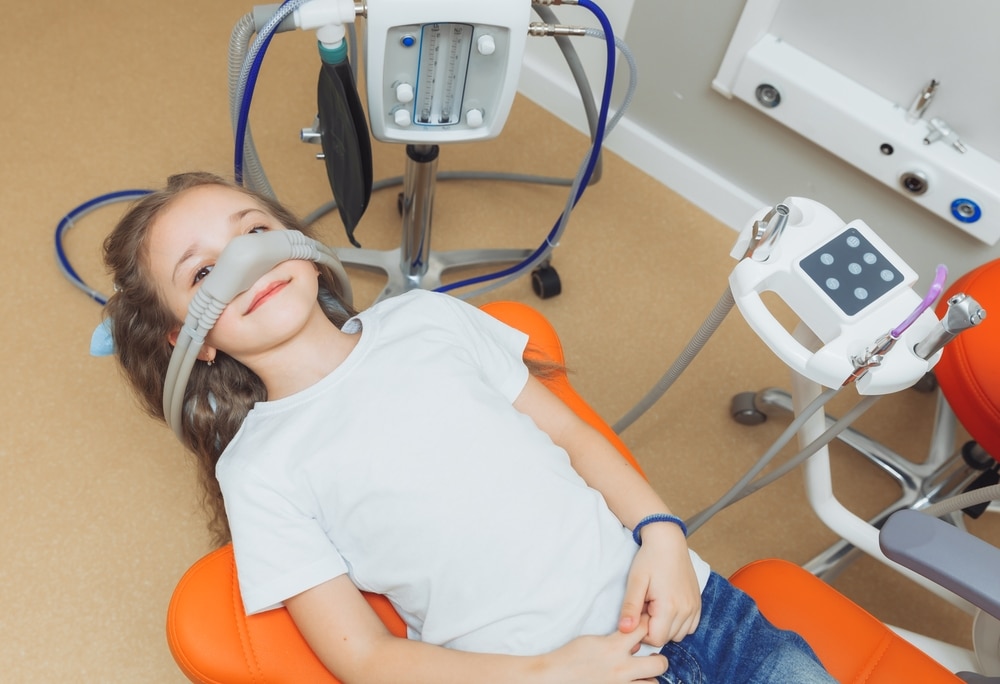
Sedation dentistry is designed to help children relax, making dental procedures smoother and less stressful. Depending on the child’s needs, options may include:
- Nitrous oxide (laughing gas): A mild, safe inhaled sedative that reduces anxiety while keeping the child awake and responsive.
- Oral sedation: A pill or liquid medication that calms nerves and helps children feel relaxed during treatment.
- Moderate sedation: Administered by trained pediatric specialists for more invasive procedures or for children with significant fear.
Sedation allows kids to stay comfortable, cooperate with treatment, and maintain a positive memory of their dental visit. Parents can feel confident that their child is receiving care in a safe, controlled environment.
Steps Parents Can Take Before the Visit
While sedation can help manage fear during treatment, preparation at home also plays a key role in reducing dental anxiety. Parents can try several strategies before the appointment:
Role-playing at home: Pretend to be the dentist while brushing or examining your child’s teeth. This familiarizes them with the process in a low-pressure setting.
Read age-appropriate books about dental visits: Stories about friendly dentists or fun dental adventures can normalize the experience.
Positive talk: Avoid using words like “pain” or “hurt.” Focus on how the dentist helps keep teeth strong and healthy.
Practice deep breathing or relaxation techniques: Teaching a child to take slow breaths or count to calm down can make a big difference.
Maintain routines: Keep bedtime and mealtime routines consistent on appointment days to minimize stress.
By combining preparation with sedation when necessary, children are more likely to feel safe and supported.
Behavioral Techniques vs. Sedation
Behavioral techniques and sedation often work hand-in-hand, rather than as competing approaches. Some common behavioral strategies include:
- Tell-show-do: The dentist explains each step, demonstrates it, and then performs the procedure.
- Distraction: Using videos, music, or storytelling during treatment.
- Positive reinforcement: Praise, stickers, or small rewards for cooperative behavior.
For mild anxiety, these strategies may be enough. For moderate to severe fear, Children’s Sedation Dentistry provides additional support, helping children remain calm and still during necessary procedures. The combination of behavioral and sedation techniques ensures that children feel empowered while receiving safe dental care.
Safety and Comfort Measures in Pediatric Clinics
Parents may worry about the safety of sedation, but pediatric dental offices follow strict protocols to ensure the well-being of every child. Some of the key measures include:
- Careful evaluation of medical history and allergies
- Continuous monitoring of vital signs during sedation
- Use of only age-appropriate and approved sedatives
- Highly trained pediatric dental teams and specialists
At Great Grins, our staff prioritizes both safety and comfort, making every effort to create a welcoming, stress-free environment for children. From the colorful décor to kid-friendly distractions, every aspect of the clinic is designed to put young patients at ease.
Long-Term Benefits of Managing Dental Anxiety Early
Addressing dental anxiety in children early on has benefits beyond a single appointment. Children who receive positive dental experiences are more likely to:
- Maintain regular dental visits throughout life
- Develop strong oral hygiene habits
- Avoid the need for emergency or extensive procedures due to fear-related avoidance
By using a combination of preparation, behavioral strategies, and sedation when appropriate, parents can help their children develop a confident, healthy relationship with dental care.
Final Thoughts
Dental anxiety in children doesn’t have to prevent essential oral care. With proper preparation, gentle behavioral techniques, and the support of Children’s Sedation Dentistry, kids can have safe, comfortable, and even positive dental visits.
At Great Grins, we are here to guide families through every step, from identifying signs of anxiety to helping children feel at ease in the dental chair. By combining professional care, reassurance, and education, we empower children to maintain healthy, happy smiles for life.