
For many children, visiting the dentist can be a stressful experience. New sounds, bright lights, and unfamiliar equipment can make even routine dental visits intimidating. In these cases, pediatric sedation dentistry plays a vital role in helping children receive safe, effective, and comfortable dental care while minimizing fear and anxiety.
At Great Grins, we understand that every child is unique. Our goal is to ensure that dental visits are not only successful in terms of treatment but also positive experiences that build lifelong oral health habits.
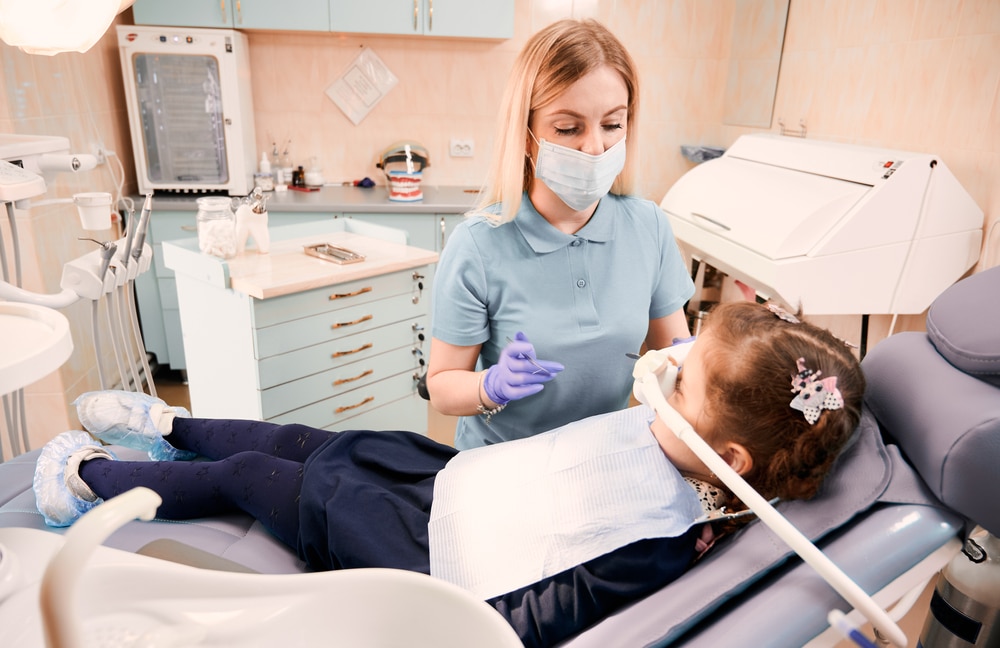
What Is Pediatric Sedation Dentistry?
Pediatric sedation dentistry refers to the use of medications to help children relax or remain calm during dental procedures. It is not the same as general anesthesia, where a child is completely unconscious. Sedation dentistry allows children to stay comfortable and still, making it easier for dentists to provide thorough care without stress or fear.
This type of care is especially beneficial for children who may have:
- Severe anxiety or fear of dental visits
- Difficulty sitting still for long procedures
- Special healthcare needs that make cooperation challenging
- Previous traumatic dental experiences
By reducing anxiety and discomfort, sedation dentistry helps children tolerate treatments they might otherwise avoid.
Common Scenarios for Pediatric Sedation Dentistry
While sedation isn’t required for every child, it is particularly helpful in several scenarios:
- Severe dental anxiety: Some children experience intense fear that prevents them from completing necessary treatments.
- Lengthy procedures: Treatments like multiple fillings, crowns, or pulpotomies can take time, and sedation helps children remain comfortable throughout.
- Special healthcare needs: Children with developmental or behavioral conditions may find routine dental care overwhelming.
- Previous traumatic dental experiences: Sedation can help children overcome fear and build positive associations with dental visits.
In each case, sedation is used as part of a broader approach that includes gentle techniques, parent involvement, and a kid-friendly environment.
Types of Pediatric Sedation
Several sedation options are available, and the choice depends on the child’s age, anxiety level, and the complexity of the procedure:
Nitrous Oxide (Laughing Gas)
Nitrous oxide is a mild, inhaled sedative that helps children feel relaxed while staying awake and responsive. It is fast-acting, wears off quickly after treatment, and is an excellent option for mild to moderate anxiety.
Oral Sedation
Oral sedation involves a pill or liquid medication that calms the child during the procedure. Depending on the dosage, children may feel drowsy but remain conscious. Oral sedation is often used for longer treatments or for children who are particularly nervous.
IV Sedation
Intravenous sedation is stronger and typically reserved for more complex procedures or children with high levels of anxiety. Administered by trained specialists, IV sedation allows the child to be relaxed while enabling the dentist to complete necessary treatment efficiently and safely.
At Great Grins, we ensure that every sedation option is carefully tailored to the child’s needs.
Safety and Monitoring During Sedation
Parents naturally want reassurance that sedation is safe for their child. Pediatric dental clinics follow strict safety protocols, including:
- Pre-visit evaluations to assess medical history and determine the appropriate level of sedation
- Continuous monitoring of vital signs throughout the procedure
- Use of FDA-approved, age-appropriate sedatives
- Highly trained pediatric dental teams experienced in emergency response
With these measures, sedation is a reliable and safe tool that helps children receive dental care without unnecessary stress.
How Sedation Improves the Dental Experience
Beyond safety, sedation significantly enhances the overall experience for both children and parents.
- Reduces fear: Children who are relaxed during treatment are less likely to associate dental visits with pain or anxiety.
- Increases cooperation: Sedation allows dentists to work more efficiently, completing procedures that may otherwise require multiple appointments.
- Minimizes trauma: Gentle sedation reduces the risk of negative memories associated with dental care.
- Provides peace of mind for parents: Parents can feel confident that their child is receiving professional care in a safe, supportive environment.
When combined with Children’s Sedation Dentistry services, these benefits ensure that kids have positive dental experiences from the very first visit.
Preparing Your Child for a Sedation Visit
Even with sedation, preparation helps children feel calm and cooperative. Parents can:
- Discuss the visit in positive, reassuring language
- Read books or watch videos about dental care
- Practice gentle “pretend” brushing or examination at home
- Encourage questions and allow the child to express their feelings
By combining preparation with sedation, children learn to trust the dental team and build healthy attitudes toward oral care.
Final Thoughts
Pediatric sedation dentistry is an essential tool in modern pediatric dental care. It helps children overcome fear, tolerate necessary treatments, and experience positive dental visits. While sedation is not always required, it provides significant benefits for children with anxiety, long procedures, or special healthcare needs.
At Great Grins, we guide families through every step of the process—from evaluating the child’s needs to explaining options and providing referrals to specialized care when needed. By integrating sedation with gentle, kid-focused care, we ensure that children maintain healthy teeth, confident smiles, and positive dental experiences for life.